طبيعة الحالات الكمية: المتغيرات الخفية مقابل متباينة بيل
في وحدة Qiskit في الفصول الدراسية هذه، يجب على الطلاب توفير بيئة Python تعمل بشكل صحيح مع الحزم التالية المثبتة:
qiskitالإصدار v2.1.0 أو أحدثqiskit-ibm-runtimeالإصدار v0.40.1 أو أحدثqiskit-aerالإصدار v0.17.0 أو أحدثqiskit.visualizationnumpypylatexenc
لإعداد وتثبيت الحزم أعلاه، راجع دليل تثبيت Qiskit. لتشغيل المهام على حواسيب كمية حقيقية، يحتاج الطلاب إلى إنشاء حساب على IBM Quantum® باتباع الخطوات الموضحة في دليل إعداد حساب IBM Cloud الخاص بك.
تم اختبار هذه الوحدة واستخدمت 12 ثانية من وقت QPU. هذا تقدير فقط، وقد يختلف استخدامك الفعلي.
# Added by doQumentation — installs the packages this notebook needs if they are missing
import importlib.util

_needed = {"numpy": "numpy", "qiskit": "qiskit", "qiskit_ibm_runtime": "qiskit-ibm-runtime"}
_missing = [pip for module, pip in _needed.items()
            if importlib.util.find_spec(module) is None]
# One at a time, so a package that fails to install does not block the others
for _pip in _missing:
    %pip install -q {_pip}
if not _missing:
    print("\u2713 All required packages are installed")
# Uncomment and modify this line as needed to install dependencies
#!pip install 'qiskit>=2.1.0' 'qiskit-ibm-runtime>=0.40.1' 'qiskit-aer>=0.17.0' 'numpy' 'pylatexenc'
شاهد الشرح التفصيلي للوحدة بواسطة الدكتورة كيتي ماكورميك أدناه، أو اضغط هنا لمشاهدته على YouTube.
الخلفية النظرية
في كثير من حسابات ميكانيكا الكم، تبدأ من حالة معروفة لنظام ما، وعادةً ما تُعرَّف هذه الحالة من خلال عملية قياس. اليوم نريد الإجابة على السؤال: "ماذا يمكنك أن تقول عن حالة الجسيم قبل أي قياس؟" والنتيجة المنطقية لهذا هي: "كيف يمكننا معرفة ذلك إن لم يُسمح لنا بالقياس؟"
يعود هذا السؤال إلى الأيام الأولى لميكانيكا الكم. انقسم رواد هذا الميدان إلى فصائل؛ فقال آينشتاين وكثيرون غيره إن الجسيم يكون في حالة مجهولة قبل القياس ببساطة. وادّعى آخرون، ولا سيما ماكس بورن ثم نيلز بور لاحقًا، بادعاء أكثر جرأة مفاده أن حالة الجسيم كانت غير محددة حقًا من قِبَل الطبيعة قبل القياس، لا مجرد كونها مجهولة للبشر. فالقياس يُسبِّب انهيار الجسيم بصورة احتمالية إلى حالة محددة. وقد أبدى آينشتاين استياءه الشهير من هذا التفسير بقوله: "Gott würfelt nicht"، أي تقريبًا: "الله لا يلعب النرد."
ولعقود بعد ظهور هذا الخلاف، ظنّ كثيرون أنه لن يُحسم أبدًا، أو أنه مجرد مسألة منظور. ثم في عام 1964، كتب جون بيل، الفيزيائي من أيرلندا الشمالية، ورقة بحثية استكشف فيها إحصاءات تجارب معينة يمكنها الإجابة على هذا السؤال بشكل قاطع. وأظهر أنه في اختبار بعينه، تصل إلى مجموعة واحدة من الإحصاءات إذا كانت الحالات الكمية محددة (لكنها مجهولة)، وإلى مجموعة مختلفة إذا كانت الحالات الكمية غير محددة من الطبيعة.
في وقت نشر ورقة بيل، كانت الاختبارات التجريبية للإحصاءات المعنية في متناول الباحثين في طليعة الفيزياء وحدهم. لكن اليوم، أتاح IBM Quantum لطلاب في أنحاء العالم كلها استخدام أجهزة كمية حقيقية، عن بُعد عبر الإنترنت، ومجانًا، لاستكشاف طبيعة الحالات الكمية. وهذا ما ستفعله اليوم.
إعداد تجربة الفكر: تشابك اللف المغزلي
ثمة عمليات يتحلل فيها جسيم بلا لف مغزلي إلى جسيمين يحمل كل منهما لفًا مغزليًا. وبما أن اللف المغزلي نوع من الزخم الزاوي، فإن قانون حفظ الزخم الزاوي يشير إلى أن الجسيمَين الناتجَين يجب أن يكون لفّاهما المغزليان متعاكسَين تمامًا. وهذا بالفعل ما يُلاحَظ تجريبيًا.
مثال: يتحلل ميزون باي المحايد أحيانًا إلى بوزيترون وإلكترون: لا تقلق إن لم تكن تعرف ما هي تلك الجسيمات، ولا تقلق إن كنت تعرفها جيدًا لدرجة أنك تعلم أن هذا النوع من التحلل نادر نسبيًا. فقط اعرف أنه إذا كان اللف المغزلي لأحد الجسيمَين الناتجَين للأعلى، فيجب أن يكون الآخر للأسفل، والعكس صحيح. بالطبع، لا يوجد شيء مميز في "للأعلى" و"للأسفل"؛ إذ يُلاحَظ نفس التعاكس عند إجراء القياسات على ما نسميه عادةً محور أو . هذا التحلل سياق مقنع لنا للتأمل، لأننا نتجنب التساؤلات حول القياسات التي جرت في الماضي؛ فالبوزيترون والإلكترون لم يكونا موجودَين أصلًا حتى لحظة التحلل.
يمكننا أن ندع ميزونات تتحلل ونرصد انحراف الجسيمات الناتجة تحت تأثير مجال مغناطيسي غير متجانس. كثيرًا ما يُسمى المجال غير المتجانس المُستخدَم لانحراف اللفّات المغزلية "جهاز شتيرن-غيرلاخ"، تيمنًا بالباحثَين اللذَين استخدماه أولًا لـ(بالصدفة) جمع أدلة على وجود اللف المغزلي الكمي الميكانيكي. لاحظ أن القصة هنا أكثر تعقيدًا من التجربة الأصلية لأن الإلكترون والبوزيترون مشحونان أيضًا (على خلاف ذرات الفضة في تجربة شتيرن-غيرلاخ). لكننا نعرف كيف تتحرك الجسيمات المشحونة في مجال مغناطيسي، ويمكننا طرح هذا التأثير. وفيما يلي، سنفترض أن الانحرافات المُستخدَمة في حساباتنا ناتجة عن اللف المغزلي للجسيمات لا عن شحنتها. وبالتالي، لأغراضنا لا يهم أي المراقبَين يحصل على البوزيترون وأيهم يحصل على الإلكترون. الإعداد التجريبي يبدو على النحو التالي:
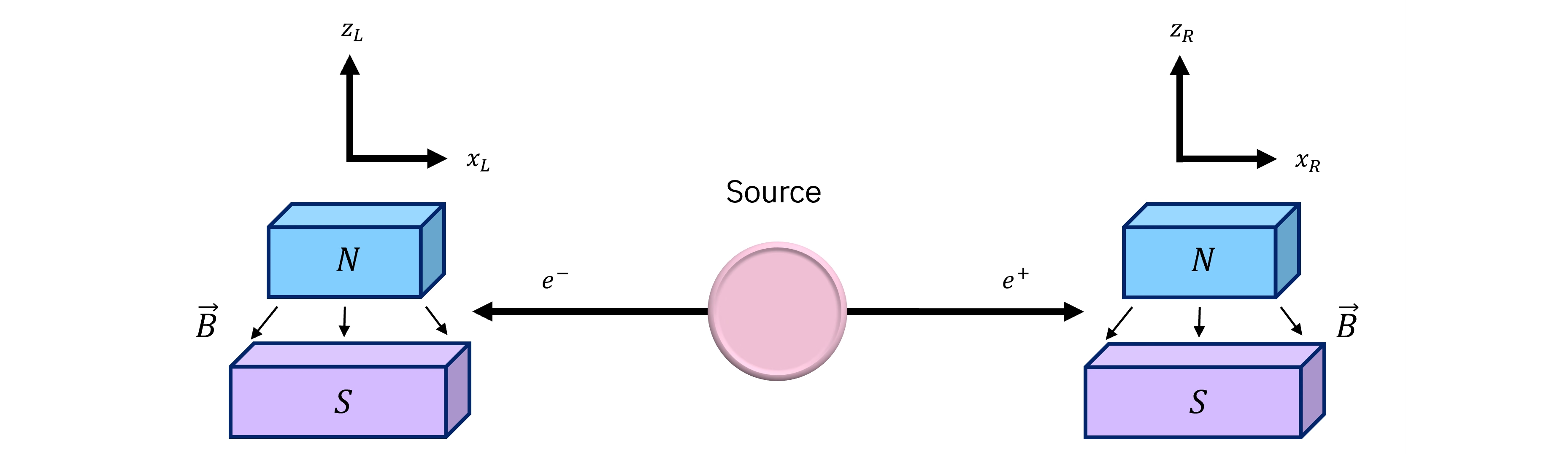
عند تحلل الميزون، يُقذَف إلكترون في اتجاه واحد وبوزيترون في الاتجاه المعاكس. سيمر كل من هذَين الجسيمَين عبر مجال مغناطيسي غير متجانس، مما يجعله ينحرف إما في اتجاه المجال المغناطيسي أو عكسه.
إذا كان لدينا مصدر لكثير من الميزونات، يمكننا جمع إحصاءات حول هذا. إذا قاس مراقب على اليسار وآخر على اليمين (سنسميهما لوكاس وريهانا على التوالي) دائمًا على نفس المحور، فإن هذه الإحصاءات لن تكون مثيرة للاهتمام: في كل مرة يقيس أحدهما اللف المغزلي للأعلى، يقيس الآخر للأسفل؛ وفي كل مرة يقيس أحدهما باتجاه داخل الصفحة، سيقيس الآخر باتجاه خارجها، وهكذا. ومع ذلك، إذا كان باستطاعة المراقبَين قياس اللف المغزلي على أي اتجاه يختارانه، فقد نجد شيئًا أكثر إثارة.
التجربة الموصوفة أعلاه، التي تتطاير فيها الجسيمات بزخم زاوي دوراني يقيسه مراقبان، اقترحها في البداية آينشتاين وبودولسكي وروزن (EPR) في هذه الورقة، وتُعرَف أحيانًا بـ"تجربة EPR".
خياراتنا
دعنا نعيد صياغة وجهتَي النظر التاريخيتَين بوضوح:
الخيار الأول (آينشتاين): اللفّان المغزليان (للإلكترون والبوزيترون) محددان، بمعنى أن نتيجة أي قياس على أي محور محددة مسبقًا من قِبَل الطبيعة، حتى لو لم نعرف ما هي. قد يُفكر المرء في هذا على أنه أن للفّات المغزلية توجهًا حقيقيًا محددًا في الفضاء، غير معروف لنا، لكنه موجود. أو قد يُفكر في هذا على أنه مجموعة من المعلومات أو التعليمات التي تحدد نتائج القياسات على محاور أو أو أو أي محور بينها. قياس اللف المغزلي للبوزيترون (مثلًا على z) يجبره على التوجه والانحياز في اتجاه z أو ‑z. وهذا لا يؤثر سببيًا على اللف المغزلي للإلكترون، رغم أننا نعرف أن اللف المغزلي للإلكترون بدأ معاكسًا للف المغزلي للبوزيترون؛ لذا إذا قُيس اللف المغزلي للبوزيترون على +z، يُقاس اللف المغزلي للإلكترون على ‑z. وبخلاف الشرط الأولي المتمثل في التعليمات التي تحفظ الزخم الزاوي (بأن يكون اللفّان المغزليان متعاكسَين)، لا توجد أي صلة بين اللفّين المغزليَّين. يُسمى هذا الخيار أحيانًا "المتغيرات الخفية"، أي أن الإسقاطات على مختلف المحاور محددة لكنها مخفية عنا.
الخيار الثاني (بورن): اللفّان المغزليان كلاهما غير محددَين في حالتيهما الأوليتين... ليسا مجهولَين فحسب، بل غير معرَّفَين فيزيائيًا، بلا توجه محدد أو تعليمات حول النتائج التجريبية، حتى يُقاسا. قياس اللف المغزلي للبوزيترون "يُسبِّب انهيار" فضاء كل الاحتمالات إلى حالة واحدة محددة، إما على المحور +z أو ‑z. هذا القياس للبوزيترون يجبر اللف المغزلي للإلكترون أيضًا على الانهيار إلى إسقاط محدد على z، معاكس تمامًا لإسقاط البوزيترون. يحدث هذا التأثير ممتدًا عبر الفضاء بين البوزيترون والإلكترون. وقد سُمي هذا "التأثير الشبحي عن بُعد"، لكن يمكن أن يُسمى بأقل درامية "الفيزياء غير المحلية".
تحقق من فهمك
سيكون من الرائع التمييز بين خيارَي آينشتاين وبورن تجريبيًا. ما هي بعض التجارب التي ستعطي نفس النتائج بصرف النظر عن أي الخيارين صحيح؟ هل يمكنك التفكير في تجربة تعطي نتائج مختلفة للخيارَين؟
ملاحظة: سيكون من المثير للإعجاب جداً لو تمكنت من ابتكار تجربة تعطي نتائج مختلفة لخياري آينشتاين وبورن؛ لقد استغرق البشر عقوداً للتوصل إلى واحدة.
الإجابة
مع الالتزام بالتجربة الموصوفة حتى الآن (أي، عدم وجود لف صافٍ مع البوزيترون والإلكترون في حالة تعاكس)، فإن قياس كلا اللفين على طول أو أو سيعطي دائماً إشارات متعاكسة بسبب حفظ الزخم الزاوي، بغض النظر عن الخيار الصحيح. قياس لف جسيم واحد (مثلاً، الإلكترون) على طول اتجاه واحد (مثلاً، ) يعني أن لف الجسيم الآخر، البوزيترون، سيُقاس على طول . إذا قست بدلاً من ذلك لف البوزيترون على طول اتجاه ، فسيكون من المرجح بالتساوي أن تكون النتيجة أو . قد يكون هذا لأن هذا ما تقوله التعليمات الخفية (خيار آينشتاين الأول) أو لأن توزيع الاحتمال للف البوزيترون يتحدث بعد قياس لف الإلكترون، والتوزيع الاحتمالي الجديد متسق مع تقسيم 50-50 بين (خيار بورن الثاني). هذه النقاط موضحة بتفصيل أكبر أدناه.
تختلف الإجابة قليلاً فقط إذا نظرت إلى تحلل جسيم بلف مغزلي 1، بحيث يجب أن يكون لفّا الجسيمين الناتجين (كالبوزيترون والإلكترون) متوازيين، لا متعاكسين. إذا قيس أحدهما على طول ، فيجب أن يعطي قياس الجسيم الآخر على المحور القيمة أيضًا، وهكذا. وكما كان الحال سابقًا، يمكن أن ينتج هذا عن أي من الخيارين.
بقية هذا الدرس مخصصة لتجربة يمكنها التمييز بين خياري آينشتاين وبورن، لذا لن نخوض في التفاصيل هنا كثيراً. لكن جزءاً من الحيلة هو قياس الجسيمين على طول اتجاهين مختلفين (مثل و ، أو حتى اتجاه ما بين المحاور الديكارتية التقليدية). أما الباقي فيأتي من الدراسة الدقيقة للاحتمال الدقيق للحصول على نتائج مختلفة بناءً على تنبؤات ميكانيكا الكم وتلك الخاصة بالمعلومات الكلاسيكية كما في المتغيرات الخفية.
في كلا الخيارين، إذا قام المراقبان، لوكاس وريهانا، بالقياس على طول نفس المحور، فمن المتوقع أن يحصلا على لفوف متعاكسة، بغض النظر عن الخيار الصحيح. لفهم السبب، انظر إلى المخططات أدناه.
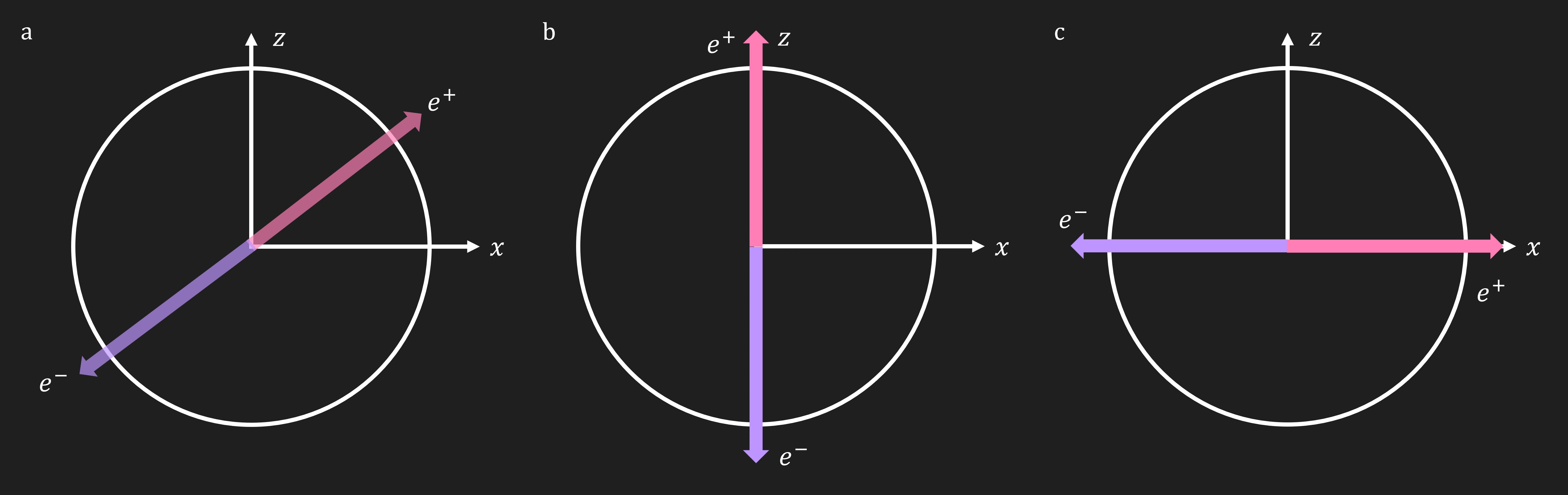
يوضح الشكل أعلاه خيار آينشتاين. اتجاهات اللفوف متعاكسة ومحددة. إذا قسنا على طول المحور ، سيكون أحدهما على طول ، والآخر على طول . ليس لدينا سبب لافتراض أن البوزيترون سيكون على طول ، والإلكترون على طول ؛ الصورة توضح فقط أن اللفوف ستُقاس في اتجاهين متعاكسين. في الواقع، لا يلزم أن يكون للف معين فعلياً مركبة للفه على طول الاتجاه الذي سيتم قياسه في النهاية، في حالة خيار آينشتاين. أضعف صياغة لخيار آينشتاين هي أن هناك مجموعة من التعليمات المخزنة في اللف تحدد ما ستكون عليه نتائج القياس عند القياس على طول أي محور. لسنا بحاجة إلى تصور أن هذه التعليمات في شكل متجه بسيط (انظر المخطط أدناه)؛ سنعود إلى هذا لاحقاً.
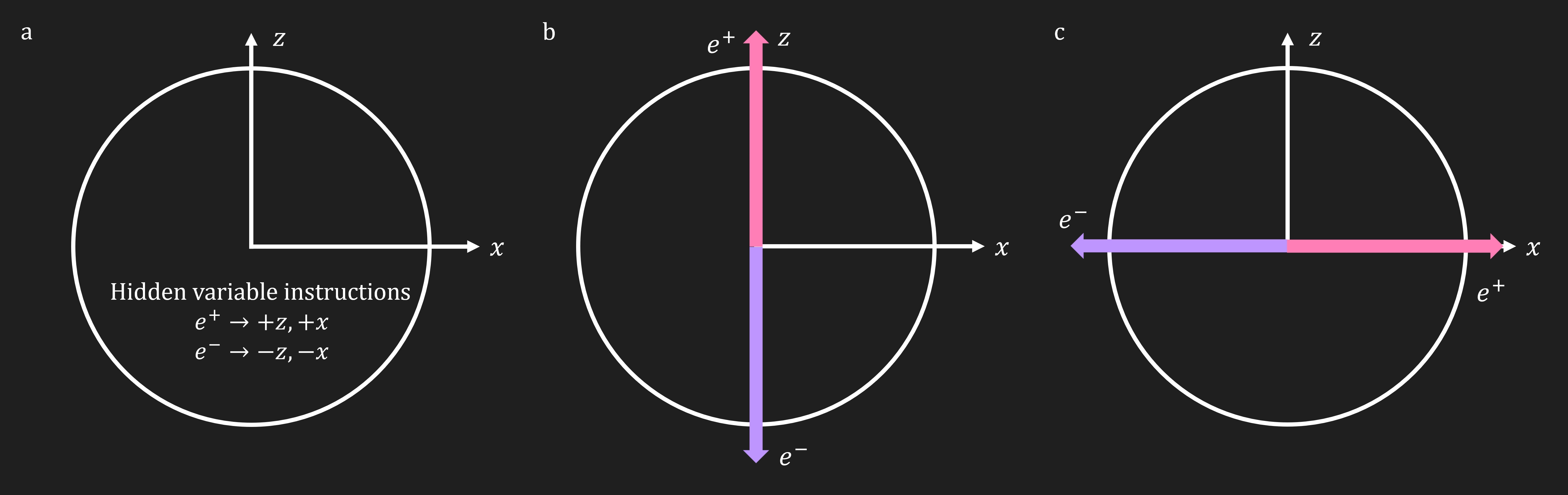
يوضح الشكل أدناه خيار بورن، حيث تكون اتجاهات لفي البوزيترون والإلكترون ممتدة في توزيع احتمالي وليس لها اتجاه محدد. لا تقرأ الكثير في شكل التوزيع. يمكن أن يكون لكل لف احتمال غير صفري للإشارة في أي اتجاه طالما أنهما متعاكسان لبعضهما؛ لقد رسمناهما ببساطة كأجزاء من الدائرة حتى نتمكن من تمييزهما بصرياً لأغراض النقاش. لاحظ أنه في حالة خيار بورن، لا يزال صحيحاً أن الزخم الزاوي يجب أن يُحفظ. لذا إذا "انهارت" إحدى موجات الاحتمال بحيث يشير اللف على طول ، فسيشير الآخر على طول وينحرف في الاتجاه المعاكس. يبدو الخياران متطابقين.
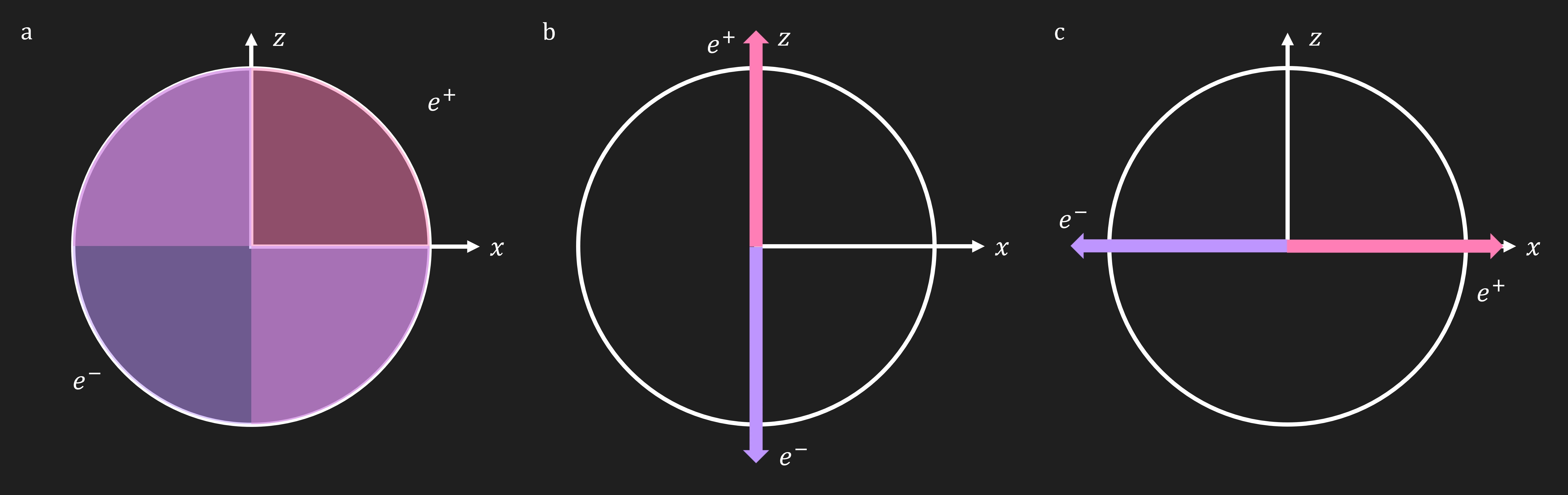
لكن ماذا يحدث عندما يمكن للمراقبين L و R القياس على طول أي من ثلاثة محاور، مع فصل كل زوج منها بمقدار 120 درجة، كما هو موضح في الشكلين 4 و5. يمكن لكل مراقب أن يقرر عشوائياً على طول أي محور سيقيس اللف (a أو b أو c). ولا يحتاج الاثنان إلى القياس على طول نفس المحور. عندما يقيس كل مراقب، قد يجد إسقاطاً موجباً على المحور الذي اختاره، أو قد يجد إسقاطاً سالباً. على سبيل المثال، قد يقيس لوكاس وريهانا +a و-b أو +b و+c. لاحظ أنه إذا صادف أنهما اختارا القياس على طول نفس المحور، فيجب أن يحصلا على إشارتين متعاكستين في إسقاطاتهما: +a و-a، أو +b و-b، أو +c و-c؛ ولا يمكن أن يجدا كلاهما، على سبيل المثال، +a. في القسم التالي، سنعمل على كيفية حساب احتمال حصول لوكاس وريهانا على نفس الإشارة على محوريهما المقاسين (++ أو --) والإشارات المتعاكسة (+-) أو (-+).
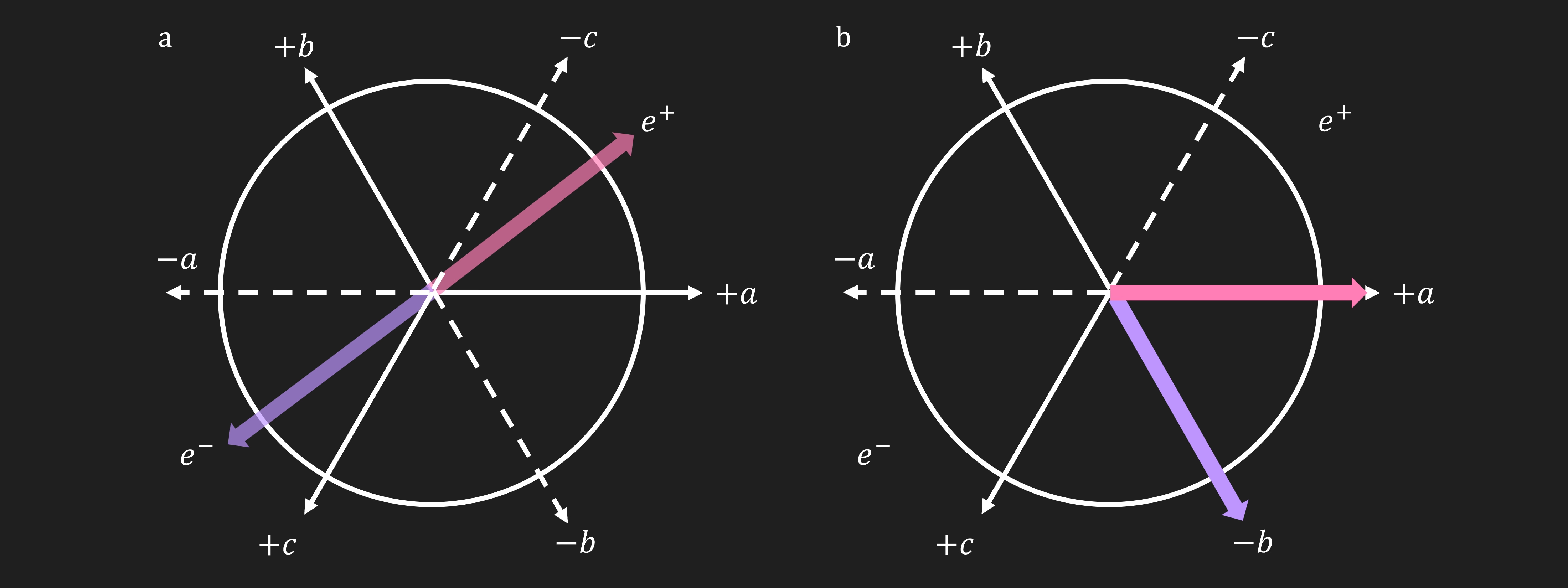
يوضح الشكلان أعلاه تفسيرات ممكنة للمتغيرات الخفية في سيناريو القياس الجديد ذي المحاور الثلاثة. أي، إما أن اللفوف محددة مسبقاً، كمتجهات، أو أن مجموعة من التعليمات الفيزيائية موجودة بطريقة ما مضمّنة في النظام بحيث تكون نتائج جميع القياسات الممكنة محددة مسبقاً، حتى لو كانت غير معروفة للتجريبيين قبل القياس. البديل موضح أدناه. يوجد توزيع احتمالي ما للنتائج، ويمكن لهذا التوزيع أن يخبرنا ببعض الأشياء حول احتمالية نتائج القياس المختلفة، لكن النتائج غير محددة من قبل الطبيعة قبل القياس.
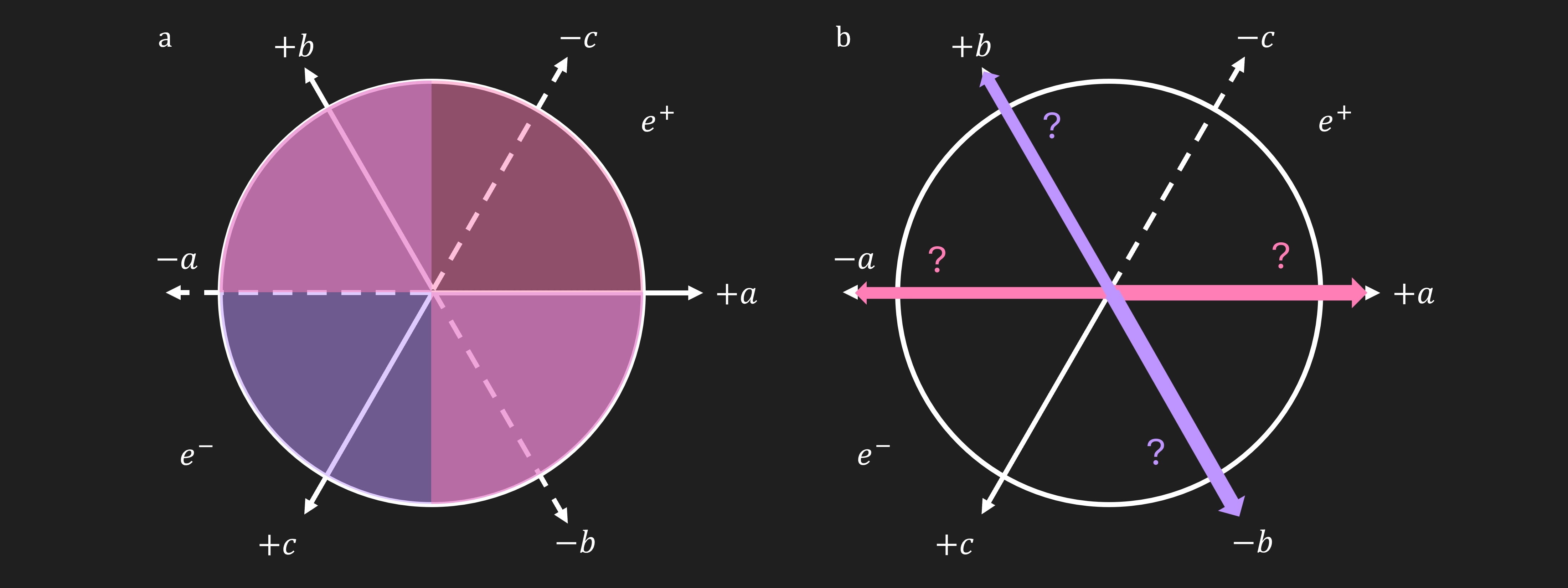
يمكننا أن نسأل أنفسنا: «كم مرة يجب أن يجد اللاعبان نفس إشارة إسقاط اللف المغزلي؟» أي أننا لا نسجل حتى على أي محور اختارا القياس؛ بل نسجل ببساطة ما إذا وجدا نفس الإشارة أو إشارة مختلفة. ليس واضحاً ما إذا كانت خيارات أينشتاين وبورن ستُعطي نفس النتيجة في مخطط القياس الأكثر تعقيداً هذا. لكن يجب أن يتضح من الشكلين 4 و5 أنه من أن يكون هناك فرق. في الحالة الموضحة في خيار أينشتاين، سيُعطي قياس إسقاط لف على المحور بالتأكيد ، وسيُعطي إسقاط لف على المحور القيمة (بالكاد). لكن في خيار بورن، تكون الاحتمالات مفتوحة تماماً. صحيح أن الزخم الزاوي لا يزال محفوظاً. لكن بما أن المجالين المغناطيسيين غير موجهين على نفس المحور، فإننا نُجبر الجسيمات على وضع يجب فيه أن تنهار على محاور مختلفة (عبر التفاعلات مع المجال). في القسم التالي، سنستخدم ميكانيكا الكم لتحديد ما يجب أن تكون عليه الاحتمالات، بافتراض خيار بورن، لأن يحصل لوكاس وريحانا على نفس الإشارة على محاوريهما المقيسة (++ أو --)، واحتمالات أن يحصلا على إشارتين متعاكستين (+- أو -+).
التنبؤات
ماذا يتنبأ خيار أينشتاين (المتغيرات الخفية)؟
لو كان خيار أينشتاين صحيحًا، فإن أي زوج من و سيكون للفّيهما المغزليَّين مجموعة من المركبات الاتجاهية. مثلًا، قد يكون للإلكترون المركبات ، وفي هذه الحالة يجب أن يكون للبوزيترون المركبات . نحن هنا نحدد فقط إشارة الإسقاط على كل محور، لا القيمة المطلقة. تخيل أننا نتركُ عددًا كبيرًا جدًا من هذه التحللات تحدث، ونجمع القياسات لملء الجدول أدناه.
| التجمع | الجسيم 1 | الجسيم 2 |
|---|---|---|
لكل حالة في الجدول أعلاه، هناك 9 اختيارات محتملة لمحاور لوكاس وريهانا: ، ، ، ، ، ، ، ، و . بالقراءة من هذا الجدول، احتمالية قياس المراقِبَين لنفس الإشارة في الصفين 1 و8 تساوي صفرًا. أما في الصفوف من 2 إلى 7، فهناك 4 طرق للحصول على نفس الإشارة، وسنوضح ذلك فقط للصف 2:
نفس الإشارة: ، ، ، إشارات مختلفة: ، ، ، ،
إذًا لو كان خيار أينشتاين هو التفسير الصحيح للحالات الكمية، فإن الاحتمالية الكلية — مجموعةً على جميع التجمعات المحتملة — لحصول لوكاس وريهانا على نفس إشارة إسقاط اللف المغزلي على محاورهم المختارة عشوائيًا ستكون: حيث تتحقق المساواة فقط عندما يكون .
تحقق من فهمك
في الصف 2 من الجدول أعلاه، أدرجنا جميع الطرق الممكنة لحصول لوكاس وريهانا على نفس الإشارة في قياساتهم، وكذلك جميع الطرق للحصول على إشارات مختلفة. كرر هذا للصف الثالث.
الإجابة
نفس الإشارة: ، ، ،
إشارات مختلفة: ، ، ، ،
الجدول أعلاه يشير إلى "التجمعات"، بمعنى أننا لا نعرف كم عدد كل نوع من التعليمات التي تنتجها الطبيعة، لو كان تفسير المتغيرات الخفية صحيحًا. أثبت أنه مهما كان توزيع إلى ، فإن احتمالية الحصول على نفس الإشارة من القياسات دائمًا أقل من أو تساوي 4/9.
الإجابة
لنبدأ بافتراض عدد ثابت من إجمالي تجارب القياس، بحيث يكون ثابتًا. لاحظ أنه في الحالة الخاصة حيث ، يُختزل التعبير إلى
الآن لنفترض أن أو . إذن
مجموع كل التجارب، ، لا يزال كما هو. لكن بما أن أو قد زاد من الصفر، فإن مجموع إلى يجب أن يكون أقل من قبل. وبالتحديد، مجموع إلى أقل من . وبالتالي
بجمع كل الحالات الممكنة، نحصل على .
التعميم
في المعالجة أعلاه، أجرينا القياسات على محاور محددة. بالطبع، يمكن إجراء القياسات على أي محور. لنسمِّ متجهَي اللف المغزلي لجسيمَين و . ليكن متغيرًا خفيًا بحيث تتوافق حالة منظومة الجسيمَين مع قيمة محددة جيدًا لـ . ليكن كثافة الاحتمال في . أخيرًا، نختار الرموز و لتكون النتيجة المحددة مسبقًا لقياس يُجرى على أي من الجسيمَين (A أو B)، بالنظر إلى متجهات اللف المغزلي والمتغير الخفي. والأهم من ذلك، لاحظ أن مستقل عن وأن مستقل عن . يمكن الآن طرح أي عدد من الأسئلة المتعلقة بالترابطات بين القياسات على A و B. وبالتحديد، يمكن التساؤل عن قيمة التوقع المعطاة بـ
بالنظر إلى بعض الافتراضات القياسية على هذه القيم، كـ ، و ، والتسوية على ، يمكن إثبات أن الترابطات بين الجسيمَين تخضع للعلاقة
حيث و هما حالتا اللف المغزلي لمنظومتك و و هما حالتا لف مغزلي مرجعيتان (أي حالتا لف مغزلي محتملتان أخريان للمنظومة). هذه واحدة من مجموعة كاملة من المتراجحات المعروفة الآن بـ "متراجحات بيل". لن نستخدم هذا الشكل العام هنا. بدلًا من ذلك، سنركز على إعداد تجريبي محدد واحد حتى نتمكن من تعيين هذا الإعداد على دائرة كمية.
ماذا يتنبأ خيار بورن (ميكانيكا الكم غير الحتمية)؟
سيختار لوكاس محورًا ما ويجد اللف المغزلي لأحد الجسيمات إما في الاتجاه الموجب أو السالب. مهما حصل عليه، لنوجه محاورنا بحيث يكون محور هو ذلك الاتجاه. عندها يمكننا كتابة الحالة الأولية بعد تحلل الميزون وقبل أي قياس كالتالي:
ريهانا ستقيس اللف المغزلي لجسيمها على اتجاه آخر بزاوية بالنسبة لاتجاه لوكاس. مؤثر اللف المغزلي على اتجاه تعسفي معطى بـ
الحالات الذاتية لهذا المؤثر هي
تحقق من فهمك
تحقق من أن هي حالة ذاتية للمؤثر أعلاه، وأوجد القيمة الذاتية.
الإجابة
باستخدام و ، نحصل على
هذا يثبت أن هي حالة ذاتية والقيمة الذاتية المقابلة هي .
احتمالية أن يقيس لوكاس لفًّا مغزليًا في الاتجاه الموجب على المحور الذي اختاره أن تقيس ريهانا أيضًا لفًّا مغزليًا موجبًا على اتجاهها المختار هي
تحقق من فهمك
افعل نفس الشيء لـ . تحقق من أنها تساوي أيضًا .
الإجابة
بجمع هذه النتائج، نجد أن احتمالية تطابق إشارتَي المحورَين المقيسَين هي .
تحقق من فهمك
ما الذي يمكنك فعله للتحقق من صحة هذه النتيجة الرياضية؟ لنكن واضحين، لا نطلب منك التحقق من أنها تطابق الطبيعة بعد، بل فقط التأكد من أنه لم يحدث خطأ في كل الحسابات.
الإجابة
(1) افعل نفس الحساب لـ للتحقق من حفظ الاحتمالية.
(2) تحقق من حالة معروفة. أدخل . عندها يتوافق مع قيام المراقِبَين بقياس دورانيهما على نفس المحور، مما سيخرق حفظ الزخم الزاوي. إذًا تتوقع أن تكون تلك الاحتمالية صفرًا، وبالفعل إدخال يعطي .
(3) تحقق من حالة معروفة مختلفة. جرب . ماذا يجب أن تحصل؟ انتبه لذلك .
كنا نرسم تحديدًا الحالة التي تكون فيها المحاور عند زاوية بالنسبة لبعضها. تذكر، مهما كان الاتجاه ( أو أو ) الذي يحصل عليه لوكاس، نسميه . عندها تختار ريهانا عشوائيًا القياس على أو أو . إذا كان اختيارها هو نفس اختيار لوكاس (بصرف النظر عن الإشارة)، فإنهما يقيسان على نفس محور ، واحتمالية أن تحصل ريهانا أيضًا على تساوي صفرًا. يجب أن يحدث هذا 1/3 من الوقت، إذ اختيار ريهانا للمحور مستقل عن اختيار لوكاس. لأي اختيار آخر، ستقيس ريهانا على محور يبعد إما راديان عن (1/3 من الوقت) أو راديان عن (1/3 من الوقت). وبالطبع، على أي من هذين المحورَين، يمكن قياس اللف المغزلي في الاتجاه الموجب أو السالب. هذا يعطينا احتمالية إجمالية لحصول لوكاس وريهانا على نفس الإشارة:
رائع
لقد أظهرنا للتو أن
لنعد خطوة إلى الوراء.
بدت خيارات أينشتاين وبورن وكأنها ستُعطي دائماً نفس النتائج، لأنهما يختلفان فقط في وصفهما لما يحدث قبل القياس. ومع ذلك، بافتراض وجود تعليمات تُحدد مسبقاً إشارة قياس اللف المغزلي على محاور معينة، حصلنا على قيد على احتمال أن يُعطي القياسان نفس الإشارة . ثم افترضنا توزيعات احتمالية كما في ميكانيكا الكم... وحصلنا على قيمة مختلفة . التنبؤ من ميكانيكا الكم أعلى مما تسمح به معالجة المتغيرات الخفية. لذا يمكننا فعلياً إجراء تجربة واكتشاف ما إذا كانت الحالات الكمومية مُحددة من قبل الطبيعة قبل القياس، أو ما إذا كانت في تراكب احتمالي حقيقي للحالات الممكنة.
أُجريت هذه التجربة مرات عديدة باستخدام أنظمة فيزيائية مختلفة كثيرة، غالباً باستخدام الفوتونات. هناك اعتبارات دقيقة عديدة، مثل التحيزات في القياس، وتوقيت (تزامن) القياسات، وغيرها الكثير. على مر العقود، تلاشت المخاوف بشأن هذه الدقائق تدريجياً. لا تزال الاختبارات تُنفذ، بينما نتعلم المزيد عن الواقع، لكن هناك الآن اتفاق واسع على أن الإجابة التي ستحصل عليها هنا، باستخدام حواسيب IBM® الكمومية، صحيحة.
الاختبار باستخدام أجهزة كمومية حقيقية!
بما يتوافق مع معالجتنا أعلاه، لنحدد اتجاه قياس لوكاس ليكون . كان هذا مناسبًا حتى في النهج الجبري، لكنه مناسب بشكل خاص للحوسبة الكمومية، إذ إن ما يُقاس عادةً هو إسقاط الكيوبت على محور . نريد أن نصنع دائرة كمومية تعطينا نفس الشروط الاحتمالية المذكورة أعلاه لـ. نحن أحرار في توجيه مستوانا بحيث ، وبذلك نحصل على
نحتاج إلى معرفة بعض الأمور عن أجهزة IBM الكمومية لتوجيه نقاشنا. أولًا، تبدأ الكيوبتات مهيأة في حالة . وكما ذكرنا سابقًا، عند إجراء القياسات تكون على طول المحور . إذن الهدف هو تحديد أي عمليات يمكننا إدراجها بين حالات أساس القياس والحالات الابتدائية للكيوبتات للحصول على التعبير المعقد أعلاه. لذلك نحتاج إلى مراجعة بعض البوابات الأساسية في الحوسبة الكمومية.
بوابة : تعادل عملية NOT. بوابة أحادية الكيوبت.
في Qiskit، إنشاء دائرة بها بوابة يبدو كالتالي:
from qiskit import QuantumCircuit

qc = QuantumCircuit(1)
qc.x(0)
qc.draw("mpl")

بوابة هادامارد : تنشئ حالة تراكب. بوابة أحادية الكيوبت.
دائرة بها بوابة هادامارد تُنشأ كالتالي:
qc = QuantumCircuit(1)
qc.h(0)
qc.draw("mpl")

بوابة CNOT (NOT المتحكَّم بها): تستخدم هذه البوابة كيوبتين: متحكِّم وهدف. تفحص حالة الكيوبت المتحكِّم دون تغييرها. لكن إذا كان الكيوبت المتحكِّم في الحالة ، تُغيِّر البوابة حالة الكيوبت الهدف؛ أما إذا كان الكيوبت المتحكِّم في الحالة فلا يحدث أي تغيير. في الصيغة أدناه، افترض أن الكيوبت الأول هو المتحكِّم والثاني هو الهدف.
تبدو بوابة CNOT مختلفة قليلًا في الدائرة، لأنها تتطلب كيوبتين. هكذا يتم تنفيذها:
qc = QuantumCircuit(2)
qc.cx(0, 1)
qc.draw("mpl")

لاحظ أن الكيوبت الأول المذكور في qc.cx(0,1) هو المتحكِّم، والثاني هو الهدف. في الرسم التخطيطي، الهدف هو الذي يحمل علامة "+" أو يشبه الصليب.
بوابة الدوران حول محور Y: تدور الحالة حول المحور y. وهي بوابة أحادية الكيوبت.
أخيرًا، تُنفَّذ بوابات الدوران بتحديد نوع البوابة، ومقدار الدوران، والكيوبت الذي ستُطبَّق عليه، بهذا الترتيب:
import numpy as np

pi = np.pi

qc = QuantumCircuit(2)
qc.ry(pi / 2, 0)
qc.draw("mpl")

اسم البوابة ry يحدد المحور الذي يدور حوله. الوسيط الأول يشير إلى مقدار الدوران، والوسيط الثاني يحدد الكيوبت الذي ستُطبَّق عليه البوابة.
تحقق من فهمك
باستخدام الصيغة المقدَّمة أو المراجَعة أعلاه، أنشئ أي دائرة كمومية تتضمن أربعة أنواع مختلفة من البوابات الكمومية.
الإجابة
بالطبع هناك احتمالات لا نهاية لها. إليك مثال واحد:
qc=QuantumCircuit(2)
qc.ry(pi/2,0)
qc.cx(1,0)
qc.x(1)
qc.h(0)
qc.cx(0,1)
qc.draw("mpl")
من التجربة الفيزيائية إلى الدوائر الكمومية
من خلال عمليات هذه البوابات، يمكننا أن نرى، على سبيل المثال، أن الـ kets في تعبيرات :
على الأرجح تتضمن بوابة هادامارد للحصول على التراكب، وبوابة CNOT لإنشاء التشابك الكمومي.
سنستخدم الآن بوابات H وX وCNOT لتحويل إلى :
هنا تعني بوابة CNOT باستخدام L كمتحكِّم وR كهدف. يمكننا الآن تحليل الجزء R من الحالة:
الآن كتبنا الـ ket بالكامل كبوابات كمومية تعمل على الحالة الابتدائية الافتراضية للكيوبتات.
يمكننا الآن استخدام المؤثِّرة على للحصول على الـ bra في تعبير .
بتجميع هذه النتائج، يمكننا كتابة الاحتمال كالتالي
هذا يعطينا تعليمات واضحة لكيفية بناء دائرتنا الكمومية. سنطبق بوابات X وH وCNOT و على كيوبتات تمثل الحالات الكمومية للجسيمات التي يقيسها لوكاس وريهانا، وسنجري قياسات للحصول على الاحتمال.
توصي IBM Quantum بمعالجة مسائل الحوسبة الكمومية باستخدام إطار عمل نسميه أنماط Qiskit. يتكون من الخطوات التالية.
- الخطوة 1: ربط مشكلتك بدائرة كمومية
- الخطوة 2: تحسين دائرتك للتشغيل على عتاد كمومي حقيقي
- الخطوة 3: تنفيذ مهمتك على أجهزة IBM الكمومية باستخدام Runtime Primitives
- الخطوة 4: المعالجة اللاحقة للنتائج
في الأساس، كل العمل الذي أنجزناه أعلاه كان الخطوة 1. لنبنِ الدائرة الناتجة باستخدام Qiskit!
الخطوة 1: ربط نتائجنا بدائرة كمومية
# We'll begin by importing qiskit and a visualization module so that we can plot a
# histogram of our results.

from qiskit.visualization import plot_histogram
تذكر أن ريهانا ستختار محورًا يبعد راديان عن محور لوكاس في ثلث الأوقات، و راديان في ثلث آخر، وسيختاران نفس المحور في الثلث الأخير. لذا نحتاج فعلًا إلى إنشاء 3 دوائر كمومية لهذه الحالات الثلاث وجمع النتائج. سنشرح الأولى بالتفصيل، وسنكتفي بذكر الأخيرتين.
# We start by declaring our first quantum circuit, and giving it two qubits (the first "2") and two
# classical bits for storing outputs (the second "2")
# Define registers
from qiskit import ClassicalRegister, QuantumRegister

qr = QuantumRegister(2, "q")
cr = ClassicalRegister(2, "c")
qc1 = QuantumCircuit(qr, cr)

# We know from our analysis above that we need an X gate acting on each of the qubits (L and R)
qc1.x([0, 1])
# We need a Hadamard gate acting on Lucas's qubit, which we're calling the 0th qubit.
qc1.h(0)
# The controlled-NOT gate uses the 0th qubit (Lucas's) as the control and the 1st qubit (Rihanna's)
# as the target.
qc1.cx(0, 1)
# The rotation gate acts on the 1st qubit (Rihanna's) and has an argument of -2 pi/3
qc1.ry(-2 * pi / 3, 1)
# Finally, we want to measure all the qubits in the circuit to obtain measurement probabilities, and
# store the results in the classical bits.
qc1.measure([0, 1], [0, 1])
# Now we can draw the first of the three circuits that will check Bell's inequality for us.
qc1.draw(output="mpl")

الكود أدناه يبني الدوائر الثلاث بسرعة بطريقة أكثر سلاسة. لاحظ أن الفرق الوحيد بين الدوائر الثلاث هو مقدار دوران الكيوبتين حول المحور .
qcs = [QuantumCircuit(2, 2), QuantumCircuit(2, 2), QuantumCircuit(2, 2)]
for i in range(0, len(qcs)):
    qcs[i].x([0, 1])
    qcs[i].h(0)
    qcs[i].cx(0, 1)

qcs[0].ry(-2 * pi / 3, 1)
qcs[1].ry(-4 * pi / 3, 1)
qcs[2].ry(-2 * pi / 3, 1)
qcs[2].ry(-4 * pi / 3, 1)

for i in range(0, len(qcs)):
    qcs[i].barrier()
    qcs[i].measure([0, 1], [0, 1])

counts_list = [None] * len(qcs)
qcs[0].draw(output="mpl")

سنستخدم الآن Qiskit primitive مرجعي يسمى StatevectorSampler. الـ Sampler (أداة أخذ العينات) هو primitive مصمَّم لأخذ عينات من جميع الحالات الممكنة للنظام وإرجاع احتمالات (أو في بعض الحالات شبه احتمالات) الحصول على كل حالة. يمكننا تحديد عدد مرات التنفيذ (shots) والاطلاع على "العدّات" (counts) لكل حالة.
from qiskit.primitives import StatevectorSampler

sampler = StatevectorSampler()

# Start a job that will return shots for all 100 parameter value sets.
for i in range(0, len(qcs)):
    pub = qcs[i]
    job = sampler.run([pub], shots=10000)
    # Extract the result for the 0th pub (this example only has one pub).
    result = job.result()
    data_pub = result[0].data
    counts = data_pub.c.get_counts()
    counts_list[i] = counts
#    plot_histogram(counts)
إذا نظرنا إلى العدّات من كل دائرة، نرى أن اثنتين منها كانتا متطابقتين تقريبًا، والثالثة كانت مختلفة تمامًا.
plot_histogram(counts_list)

لنُنشئ قائمة بالنتائج الممكنة ونجمع عدّات كل حالة من الدوائر الثلاث للحصول على الاحتمالات الإجمالية.
outcomes = ("00", "01", "10", "11")

# Here we convert "None"s into 0's so that we can sum.

for i in range(0, len(qcs)):
    for j in range(0, len(outcomes)):
        if counts_list[i].get(outcomes[j]) is None:
            counts_list[i].update({outcomes[j]: 0})

# Here we create a dictionary that holds all the outcomes and sums over their appearances
# in each of the circuits.

total_counts = {}
for i in range(0, len(outcomes)):
    total_counts[outcomes[i]] = sum(
        counts_list[j].get(outcomes[i]) for j in range(0, len(qcs))
    )
الآن يمكننا طباعة العدّات الإجمالية لكل نتيجة ورسم المخطط التكراري.
print(total_counts)
plot_histogram(total_counts)
{'00': 7493, '01': 7432, '10': 7605, '11': 7470}

تحقق من فهمك
هل الصورة أعلاه متوافقة مع النتائج المتوقعة من المتغيرات الخفية والحتمية؟ أم أنها متوافقة مع ميكانيكا الكم الاحتمالية (وغير المحلية)؟
الإجابة
إنها متوافقة مع ميكانيكا الكم الاحتمالية وغير المحلية. تنبَّأ معالجة المتغيرات الخفية بأن احتمال الحصول على نفس الإشارة أقل من أو يساوي 4/9. بينما تنبَّأت ميكانيكا الكم باحتمال 50%. المخطط التكراري أعلاه يصف احتمالًا لـ00 أو 11 يساوي 49.97%. هذا قريب جدًا من تنبؤ ميكانيكا الكم الاحتمالية، والأهم من ذلك أنه أكبر من النطاق المسموح به في معالجة المتغيرات الخفية.
هل يُثبت هذا شيئًا عن الطبيعة؟
الإجابة
لا! كنا نستخدم محاكيًا! وهو حاسوب مبرمَج للتصرف وفق قوانين ميكانيكا الكم الاحتمالية. إذا اقترحنا قاعدة ثم برمجنا حاسوبًا ليتبعها، فإن قدرته على اتباع هذه القاعدة ليست دليلًا على صحتها! الطريقة الوحيدة لإثبات ذلك هي استخدام جهاز كمومي حقيقي!
الخطوة 2: تحسين دائرتك الكمومية للتشغيل على عتاد حقيقي
رغم أننا استخدمنا محاكيًا في البداية لتصحيح أخطاء الكود، نريد فعلًا التشغيل على عتاد حقيقي. فالمحاكي يتظاهر فقط بأنه كمومي، استنادًا إلى المعادلات أعلاه. لو أخبرنا المحاكي بصحة تلك المعادلات، ما كان ذلك مقنعًا بما يكفي. نريد جهازًا كموميًا حقيقيًا يخبرنا بما يجري! لذا سنختار الجهاز الكمومي الذي نريد استخدامه. في بعض الأحيان قد يكون مهمًا اختيار جهاز معين يمتلك خصائص تريدها، لكن في الغالب نريد ببساطة استخدام أقل جهاز انشغالًا.
يوجد كود أدناه لحفظ بيانات الاعتماد عند الاستخدام الأول. تأكد من حذف هذه المعلومات من الـ notebook بعد حفظها في بيئتك، حتى لا تُشارَك بيانات اعتمادك بالخطأ عند مشاركة الـ notebook. راجع إعداد حساب IBM Cloud الخاص بك وتهيئة الخدمة في بيئة غير موثوقة لمزيد من التوجيهات.
from qiskit_ibm_runtime import QiskitRuntimeService

# Syntax for first saving your token. Delete these lines after saving your credentials.
# QiskitRuntimeService.save_account(channel='ibm_quantum_platform',
# instance = '<YOUR_IBM_INSTANCE_CRN>', token='<YOUR-API_KEY>', overwrite=True, set_as_default=True)
# service = QiskitRuntimeService(channel='ibm_quantum_platform')

# Load saved credentials
service = QiskitRuntimeService()

backend = service.least_busy(
    operational=True, min_num_qubits=qcs[0].num_qubits, simulator=False
)
from qiskit.transpiler.preset_passmanagers import generate_preset_pass_manager

target = backend.target
pm = generate_preset_pass_manager(target=target, optimization_level=3)

qcs_isa = qcs

for i in range(0, len(qcs)):
    qcs_isa[i] = pm.run(qcs[i])
    qcs_isa[i].draw(output="mpl", idle_wires=False, style="iqp")
qcs_isa[2].draw(output="mpl", idle_wires=False, style="iqp")

الخطوة 3: تنفيذ مهمتك على أجهزة IBM الكمومية باستخدام Runtime primitives
الآن بعد أن حسَّنّا دوائرنا للتشغيل على عتاد كمومي حقيقي وصحَّحنا أخطاء الكود باستخدام المحاكيات، أصبحنا جاهزين لجمع الإحصاءات من جهاز كمومي حقيقي وحسم الخلاف بين أينشتاين وبورن.
from qiskit_ibm_runtime import SamplerV2 as Sampler
# from qiskit_ibm_runtime import Session
# sampler.options.default_shots = 1000

# Start a job that will return shots for all 100 parameter value sets.
# The best practice is to use a session as shown below. This is available to Premium Plan, Flex
# Plan, and On-Prem (IBM Quantum Platform API) Plan users.
# result_list = [None] * len(qcs)
# real_counts_list = [None] * len(qcs)
# with Session(backend=backend) as session:
#    sampler = Sampler(mode=session)

#    for i in range(0, len(qcs)):
#        # Define the primitive unified bloc (pub)
#        pub = qcs[i]
#        job = sampler.run([pub], shots=10000)
#        # Extract the result for the 0th pub (this example only has one pub).
#        result_list[i] = job.result()
#        data_pub = result_list[i][0].data
#        counts = data_pub.c.get_counts()
#        real_counts_list[i] = counts
#    #   plot_histogram(counts)

# Open users can still carry out this experiment, but without reserving a session of use, meaning
# repeated queuing is possible.
from qiskit_ibm_runtime import Batch

batch = Batch(backend=backend)
sampler = Sampler(mode=batch)

result_list = [None] * len(qcs)
real_counts_list = [None] * len(qcs)

for i in range(0, len(qcs)):
    # Define the primitive unified bloc (pub)
    pub = qcs[i]
    job = sampler.run([pub], shots=10000)
    # Extract the result for the 0th pub (this example only has one pub).
    result_list[i] = job.result()
    data_pub = result_list[i][0].data
    counts = data_pub.c.get_counts()
    real_counts_list[i] = counts

# Close the batch because no context manager was used.
batch.close()
outcomes = ("00", "01", "10", "11")

# Here we convert "None"s into 0's so that we can sum.

for i in range(0, len(qcs)):
    for j in range(0, len(outcomes)):
        if real_counts_list[i].get(outcomes[j]) is None:
            real_counts_list[i].update({outcomes[j]: 0})

# Here we create a dictionary that holds all the outcomes and sums over their appearances
# in each of the circuits.

real_total_counts = {}
for i in range(0, len(outcomes)):
    real_total_counts[outcomes[i]] = sum(
        real_counts_list[j].get(outcomes[i]) for j in range(0, len(qcs))
    )

print(real_total_counts)
plot_histogram(real_total_counts)
{'00': 7542, '01': 7503, '10': 7304, '11': 7651}

# This syntax allows you to run the job on a simulator, in case you have exhausted your allotted
# time on real IBM quantum computers.
# But we strongly advise running this on real quantum computers, since this is meant to be a check
# of the behavior of real quantum systems.

# This uses a local simulator
# from qiskit_aer import AerSimulator

# This generates a simulator that mimics the real quantum system
# backend_sim = AerSimulator.from_backend(backend)

# Import an estimator, this time from qiskit (we import from Runtime for real hardware)
# from qiskit.primitives import BackendSamplerV2
# sampler = BackendSamplerV2(backend = backend_sim)

# result_list = [None] * len(qcs)
# counts_list = [None] * len(qcs)
# for i in range(0, len(qcs)):
# Define the primitive unified bloc (pub)
#    pub = qcs[i]
#    job = sampler.run([pub], shots=10000)
# Extract the result for the 0th pub (this example only has one pub).
#    result_list[i] = job.result()
#    data_pub = result_list[i][0].data
#    counts = data_pub.c.get_counts()
#    counts_list[i] = counts

# data_pubs = (result_list[0][0].data,result_list[1][0].data,result_list[2][0].data)
# outcomes = ("00", "01", "10", "11")

# Here we convert "None"s into 0's so that we can sum.

# for i in range(0, len(qcs)):
#    for j in range(0, len(outcomes)):
#        if counts_list[i].get(outcomes[j]) is None:
#            counts_list[i].update({outcomes[j]: 0})

# Here we create a dictionary that holds all the outcomes and sums over their appearances
# in each of the circuits.

# total_counts = {}
# for i in range(0, len(outcomes)):
#    total_counts[outcomes[i]] = sum(
#        counts_list[j].get(outcomes[i]) for j in range(0, len(qcs))
#    )

# print(total_counts)
# plot_histogram(total_counts)
counts_list
[None, None, None]
الخطوة 4: المعالجة اللاحقة والتحليل
لنتوقف لحظة ونستعرض ما أنجزناه: باستخدام معالجة المتغيرات الخفية والمحاور الثلاثة المُزاحة، حصلنا على قيد على احتمال أن تعطي القياسات نفس الإشارة . ثم افترضنا توزيعات احتمالية كما في ميكانيكا الكم وحصلنا على قيمة مختلفة لذلك الاحتمال: . التنبؤ من ميكانيكا الكم أعلى مما تسمح به معالجة المتغيرات الخفية. لذا يمكن تجريبيًا معرفة ما إذا كانت الحالات الكمية تُحدَّد من قِبَل الطبيعة قبل القياس، أم أنها في تراكب احتمالي حقيقي من الحالات الممكنة.
صمَّمنا دوائرنا الكمومية بحيث هناك أربع نتائج ممكنة تقابل قياس لوكاس وريهانا لإشارة واحدة من إسقاطات الزخم الزاوي أو الأخرى: 00 و01 و10 و11. في حالتي 00 و11، يقيس لوكاس وريهانا نفس الإشارة، وفي حالتي 01 و10 يقيسان إشارتين متعاكستين. نرى أنه بتقريب جيد جدًا، فرصة حصول لوكاس وريهانا على نفس الإشارة تبلغ حوالي 50%، وهي بالتأكيد أكبر من . هذا يعني أنه لا توجد مجموعة من المتغيرات الخفية يمكنها تفسير ذلك التوزيع الاحتمالي، وأن معالجة المتغيرات الخفية غير متوافقة مع التجربة.
هناك تفسيرات مختلفة للنتائج التجريبية في ميكانيكا الكم، وهناك دقائق كثيرة في إعداد التجارب تُراجَع بين الحين والآخر. لكن حتى الآن، وصفت مبادئ ميكانيكا الكم والتفسير الاحتمالي للحالات الكمومية النتائجَ بدقة. يبدو أن ماكس بورن كان على صواب.
لنأخذ لحظة أخرى للتأمل في أهمية هذا. جسيمان ينبثقان من حدث اضمحلال ويتحركان في اتجاهين مختلفين، ربما لفترة طويلة. زخمهما الزاوي ليس في أي حالة محددة جيدًا، ولا يحملان معهما تعليمات من متغيرات خفية لتحديد نتائج القياسات المستقبلية. لكن قياس أحدهما (على طول مثلًا) يُحدد بالضرورة نتيجة تجربة على الجسيم الآخر على طول اتجاه (يجب أن يكون ). هذا يعني أن شيئًا ما في فيزياء أحد الجسيمين يتحدد بما يُفعَل بالجسيم الآخر، الذي قد يكون بعيدًا جدًا. هذه إحدى الحالات التي دفعت الناس إلى وصف الواقع بأنه "غير محلي".
جسيمان كالذين نتحدث عنهما "متصلان" بطريقة ما، بمعنى أن القياسات على أحدهما يمكن أن تؤثر على الآخر. نُشير إلى مثل هذين الجسيمين بأنهما "متشابكان". التشابك أكثر من مجرد ارتباط إحصائي. فعلى سبيل المثال، يمكننا بناء آلة كلاسيكية تقذف مغناطيسًا لجهة بقطبه الشمالي للأعلى ومغناطيسًا للجهة الأخرى بقطبه الشمالي للأسفل. مثل هذين المغناطيسين قد يكونان مرتبطين ارتباطًا مثاليًا عكسيًا. لكن قياس أحدهما لن يُحدث أي شيء للآخر. في التشابك الكمي، يمكن أن يكون الجسيم A في حالة غير محددة (أو خليط من حالات كثيرة)، ويمكننا تحديد حالة له من خلال قياسات على جسيم مختلف تمامًا (مثل B). لا يوجد شيء كهذا في العالم الكلاسيكي.
هذا كثيرًا ما يفتح عالمًا جديدًا كاملًا من الأسئلة والاحتمالات. بعض الأفكار التي يستحضرها حقيقية، كاستخدام التشابك في الحساب كما هو الحال في أجهزة الكمبيوتر الكمومية! وبعضها مغرٍ بشكل خادع لكنها تفشل في نهاية المطاف، كمحاولة استخدام التشابك لإرسال معلومات أسرع من الضوء. نشجعك على طرح كل الأسئلة التي تراودك، وقراءة كيف درس الآخرون هذه الظواهر. هناك عالم كامل من ميكانيكا الكم للاستكشاف، وإليك بعض الموارد التي يمكنك الاطلاع عليها:
دورات IBM Quantum:
أوراق بحثية مثيرة في ميكانيكا الكم:
- مفارقة أينشتاين بودولسكي وروزن
- ورقة جون بيل الأصلية من عام 1964
- ورقة بحثية عام 2019 حول التقاط "قفزة كمومية" وعكسها في منتصف الانتقال
بعض الموارد التعليمية في ميكانيكا الكم:
- مواد دورة Quantum I من جامعة كولورادو.
بعض الأبحاث التعليمية في ميكانيكا الكم:
- مراجعة صعوبات الطلاب في ميكانيكا الكم المتقدمة بقلم C. Singh وE. Marshman
الأسئلة
يمكن للمدرّسين طلب نسخ من هذه الدفاتر مع مفاتيح الإجابات والتوجيه حول كيفية إدراجها في المناهج الدراسية الشائعة، وذلك بملء هذا الاستبيان السريع حول كيفية استخدام الدفاتر.
المفاهيم الأساسية:
-
كان هناك خلاف تاريخي حول ما إذا كانت الحالات الكمية مجهولة فحسب أم غير محددة بطبيعتها قبل القياس، وما إذا كانت ميكانيكا الكم حتمية أم احتمالية.
-
المتغيرات الخفية، وبالتالي الواقعية المحلية، لا تتوافق مع ملاحظات ميكانيكا الكم. أي أن الترابطات الملاحظة في ميكانيكا الكم لا يمكن تفسيرها بمتغيرات محددة تماماً لكنها مجهولة بالنسبة لنا.
-
ميكانيكا الكم احتمالية.
-
التشابك حقيقي وقابل للملاحظة.
-
التشابك ليس مجرد ترابطات.
-
يمكننا ربط السيناريوهات الواقعية بالحواسيب الكمية.
-
المتغيرات الخفية تشير إلى كميات تحددها الطبيعة لكنها مجهولة للبشر؛ وهي غير موجودة في هذا السياق.
أسئلة صح/خطأ:
-
ص/خ جادل ألبرت أينشتاين بأن ميكانيكا الكم كانت نظرية ناقصة، لأنها تصف فقط احتمالات النتائج، وليس الآلية الأساسية التي تحدد تلك النتائج.
-
ص/خ "المتغيرات الخفية" تشير إلى فكرة أن جسيمَين كموميَّين يمكن أن يكونا متشابكَين.
-
ص/خ أي نظامَين مترابطَين هما متشابكان كمومياً.
-
ص/خ التشابك الكمي مهم للحصول على نتائج رياضية صحيحة، لكن لا يمكن رؤيته في تجربة.
-
ص/خ في معظم الحالات، لا تستطيع ميكانيكا الكم إخبارك بالنتيجة الدقيقة لتجربة ما، بل فقط باحتمالات قياس نتائج معينة.
-
ص/خ في ميكانيكا الكم، وتحت ظروف معينة، يمكن أن تتأثر حالة الجسيم A بحالة الجسيم B، حتى لو لم يكن الجسيمان A وB على تماس ولم يتبادلا أي جسيمات.
-
ص/خ يمكننا ربط التجارب الواقعية بالدوائر الكمية.
أسئلة الاختيار من متعدد:
-
افترض أن جسيماً عديم اللف المغزلي يتحلل إلى جسيمَين A وB لكل منهما لف مغزلي 1/2. أُجري قياس على الجسيم A أظهر أن لفّه المغزلي له إسقاط على . الجسيم B الآن
-
أ. يمتلك بالتأكيد إسقاط لف مغزلي على
-
ب. يمتلك بالتأكيد إسقاط لف مغزلي على
-
ج. يمتلك بالتأكيد إسقاط لف مغزلي على
-
د. يمتلك بالتأكيد إسقاط لف مغزلي سالب على أي محور يُقاس.
-
-
جسيم عديم اللف المغزلي يتحلل إلى جسيمَين A وB لكل منهما لف مغزلي 1/2. إذا قِيس أن الجسيم A له إسقاط على ، فأيٌّ من الإسقاطات التالية ممكنة لقياس الجسيم B؟ اختر كل ما ينطبق.
-
أ.
-
ب.
-
ج.
-
د.
-
هـ.
-
و.
-
-
افترض أن جسيماً عديم اللف المغزلي يتحلل إلى جسيمَين A وB لكل منهما لف مغزلي 1/2. ما الذي يصف بشكل أفضل حالة الجسيم A قبل أي قياس.
-
أ. اللف المغزلي للجسيم A على .
-
ب. اللف المغزلي للجسيم A على .
-
ج. اللف المغزلي للجسيم A على .
-
د. اللف المغزلي للجسيم A محدد في بعض الاتجاهات لكن ليس في اتجاهات أخرى.
-
هـ. توجه اللف المغزلي للجسيم A غير محدد بطبيعته قبل أي قياسات.
-
-
أيٌّ مما يلي صحيح بشأن بوابة هادامار؟ اختر كل ما ينطبق.
-
أ.
-
ب.
-
ج.
-
د.
-
-
أيٌّ مما يلي صحيح بشأن بوابة X؟ اختر كل ما ينطبق.
-
أ.
-
ب.
-
ج.
-
د.
-
هـ.
-
-
أيٌّ مما يلي هو بوابة ثنائية الكيوبت؟
-
أ. X
-
ب.
-
ج. H
-
د. CNOT
-
-
افترض أن كيوبتاً في حالة . ما احتمال قياسه في حالة ؟
-
أ. 100% بالضبط على محاكٍ خالٍ من الضوضاء، وقريبة من 100% على حاسوب كمي حقيقي
-
ب. قريبة من 100% على محاكٍ خالٍ من الضوضاء، و100% بالضبط على حاسوب كمي حقيقي
-
ج. 0% بالضبط على محاكٍ خالٍ من الضوضاء، وقريبة من 0% على حاسوب كمي حقيقي
-
د. قريبة من 0% على محاكٍ خالٍ من الضوضاء، و0% بالضبط على حاسوب كمي حقيقي
-
أسئلة للنقاش:
-
الأصدقاء A وB وC يناقشون نتائج هذا المختبر المتعلقة بمتراجحة بيل. تحديداً، يتأملون الصورة التي تظهر أن الاحتمال الكمي لقياس الإشارة ذاتها على المحاور أكبر مما تسمح به معالجة المتغيرات الخفية: . يقول الصديق A: "هذا يعني أننا لم نكن نعرف حالات اللف المغزلي قبل القياس." يقول الصديق B: "لا، الأمر أكثر من ذلك. هذا يعني أن اللفّات المغزلية لم تكن تشير في اتجاه معين قبل القياس. وإن كانت حالة اللف المغزلي ربما تكون محددة أو مخزنة بطريقة ما." يقول الصديق C: "لا، الأمر أكثر من ذلك بكثير. هذا يعني أن حالة اللف المغزلي المستقبلية لم تكن الطبيعة قد حددتها أصلاً قبل القياس." مع من تتفق، ولماذا؟
-
اشرح كيف تشير الظواهر الكمية مثل التشابك إلى أن الواقع غير محلي.
-
ما التجارب الإضافية التي تودّ إجراءها لتقنع نفسك بالنتائج التي حصلت عليها هنا؟
-
هل يمكن استكشاف متراجحة بيل فقط باستخدام 3 محاور متساوية التباعد و و؟ هل يمكن إجراؤها بأي عدد آخر من المحاور؟ كيف سيبدو ذلك؟ هل ستُعطي فرقاً في الاحتمالات التي تتنبأ بها المتغيرات الخفية مقابل ميكانيكا الكم الاحتمالية؟