محسِّن المحفظة الكمية: دالة Qiskit من Global Data Quantum
راجع مرجع API
Qiskit Functions ميزة تجريبية متاحة فقط لمستخدمي خطط IBM Quantum® Premium Plan وFlex Plan وOn-Prem (عبر IBM Quantum Platform API). وهي في مرحلة إصدار أولي وقابلة للتغيير.
نظرة عامة
محسِّن المحفظة الكمية هو دالة Qiskit تتعامل مع مسألة تحسين المحفظة الاستثمارية الديناميكي، وهي مسألة معيارية في مجال التمويل تهدف إلى إعادة توازن الاستثمارات الدورية عبر مجموعة من الأصول بما يعظّم العائدات ويقلّل المخاطر. وبالاستعانة بأحدث تقنيات التحسين الكمي، تبسّط هذه الدالة العملية بحيث يتمكن المستخدمون، حتى من ليس لديهم خبرة في الحوسبة الكمية، من الاستفادة من مزاياها في إيجاد مسارات استثمارية مثلى. إنها أداة مثالية لمديري المحافظ والباحثين في مجال التمويل الكمي والمستثمرين الأفراد، إذ تتيح اختبار استراتيجيات التداول في مجال تحسين المحافظ بصورة رجعية.
وصف الدالة
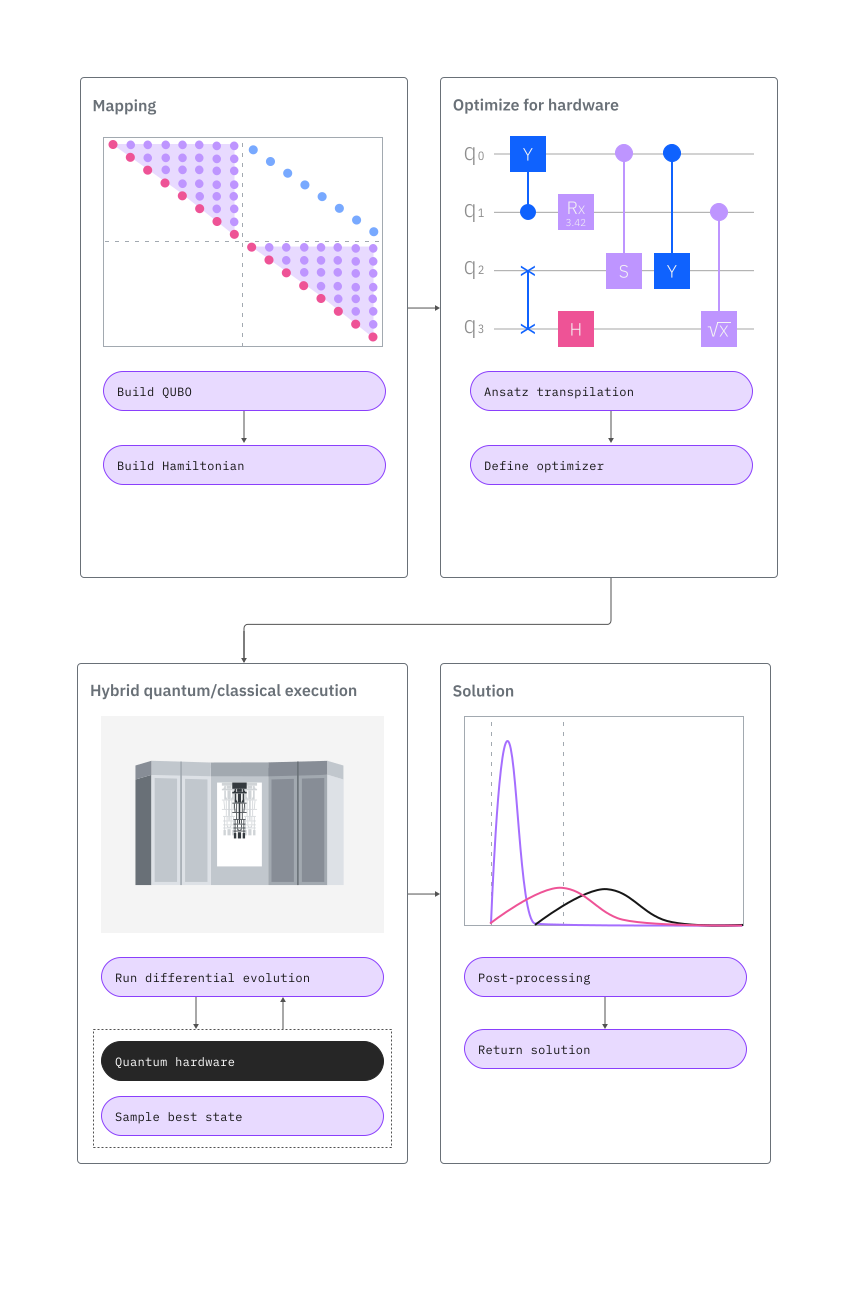
تستخدم دالة محسِّن المحفظة الكمية خوارزمية Variational Quantum Eigensolver (VQE) لحل مسألة Quadratic Unconstrained Binary Optimization (QUBO)، بما يعالج مسائل تحسين المحفظة الاستثمارية الديناميكي. يكتفي المستخدمون بتوفير بيانات أسعار الأصول وتحديد قيد الاستثمار، ثم تُشغّل الدالة عملية التحسين الكمي التي تُعيد مجموعة من مسارات الاستثمار المثلى.
تتألف العملية من أربع مراحل رئيسية. أولاً، تُحوَّل بيانات الإدخال إلى مسألة متوافقة مع الحوسبة الكمية بإنشاء QUBO لمشكلة تحسين المحفظة الاستثمارية الديناميكي وتحويله إلى عامل كمي (Ising Hamiltonian). بعد ذلك، تُكيَّف المسألة المُدخَلة وخوارزمية VQE للتشغيل على الأجهزة الكمية. ثم تُشغَّل خوارزمية VQE على الأجهزة الكمية، وأخيراً تُعالَج النتائج لاستخراج مسارات الاستثمار المثلى. يتضمّن النظام أيضاً معالجةً لاحقةً مدركةً للضجيج (مستندةً إلى SQD) بهدف تعظيم جودة المخرجات.
تستند دالة Qiskit هذه إلى المخطوطة المنشورة من قِبَل Global Data Quantum.
ابدأ
صادق على حسابك باستخدام مفتاح API واختر دالة Qiskit كالتالي. (يفترض هذا المقطع أنك حفظت حسابك في بيئتك المحلية مسبقاً.)
# Added by doQumentation — installs the packages this notebook needs if they are missing
import importlib.util

_needed = {"pandas": "pandas", "qiskit_ibm_catalog": "qiskit-ibm-catalog"}
_missing = [pip for module, pip in _needed.items()
            if importlib.util.find_spec(module) is None]
# One at a time, so a package that fails to install does not block the others
for _pip in _missing:
    %pip install -q {_pip}
if not _missing:
    print("\u2713 All required packages are installed")
from qiskit_ibm_catalog import QiskitFunctionsCatalog

catalog = QiskitFunctionsCatalog(channel="ibm_quantum_platform")

# Verify that you have access to the function
catalog.list()
[QiskitFunction(qunova/hivqe-chemistry),
 QiskitFunction(global-data-quantum/quantum-portfolio-optimizer),
 QiskitFunction(algorithmiq/tem),
 QiskitFunction(qedma/qesem),
 QiskitFunction(multiverse/singularity),
 QiskitFunction(ibm/circuit-function),
 QiskitFunction(q-ctrl/optimization-solver),
 QiskitFunction(colibritd/quick-pde),
 QiskitFunction(q-ctrl/performance-management),
 QiskitFunction(kipu-quantum/iskay-quantum-optimizer)]
# Access function
dpo_solver = catalog.load("global-data-quantum/quantum-portfolio-optimizer")
مثال: تحسين المحفظة الاستثمارية الديناميكي مع سبعة أصول
يوضّح هذا المثال كيفية تنفيذ دالة تحسين المحفظة الاستثمارية الديناميكي (DPO) وضبط إعداداتها للحصول على أفضل أداء ممكن. ويتضمّن خطوات تفصيلية لضبط المعاملات بدقة لتحقيق النتائج المطلوبة.
يتناول هذا المثال سبعة أصول، وأربع خطوات زمنية، وأربعة كيوبتات للدقة، مما يستلزم إجمالاً 112 كيوبت.
1. قراءة الأصول المُدرجة في المحفظة.
إذا كانت جميع أصول المحفظة مخزّنة في مجلد ضمن مسار معيّن، يمكنك تحميلها في pandas.DataFrame ثم تحويلها إلى كائن بصيغة dict باستخدام الدالة التالية.
import os
import glob
import pandas as pd

def read_and_join_csv(file_pattern):
    """
    Reads multiple CSV files matching the file pattern and combines them
    into a single DataFrame.

    Parameters:
    file_pattern (str): The pattern to match CSV files.

    Returns:
    pd.DataFrame: Combined DataFrame with data from all CSV files.
    """
    # Find all files matching the pattern
    csv_files = glob.glob(file_pattern)
    # Get the base file names without the .csv extension
    file_names = [os.path.basename(f).replace(".csv", "") for f in csv_files]
    # Read each CSV file into a DataFrame and set the first column as the index
    df_list = [pd.read_csv(f).set_index("Unnamed: 0") for f in csv_files]

    # Rename columns in each DataFrame to the base file names
    for df, name in zip(df_list, file_names):
        df.columns = [name]

    # Combine all DataFrames into one by merging them side by side
    combined_df = pd.concat(df_list, axis=1)
    return combined_df

file_pattern = "route/to/folder/with/assets/data/*.csv"
assets = read_and_join_csv(file_pattern).to_dict()
استُخدمت في هذا المثال الأصول التالية: 8801.T، وCLF، وGBPJPY، وITX.MC، وMETA، وTMBMKDE-10Y، وXS2239553048. يوضّح الشكل التالي البيانات المستخدمة في هذا المثال، إذ يعرض تطوّر أسعار إغلاق هذه الأصول اليومية في الفترة من 1 يناير إلى 1 سبتمبر 2023.
في هذا المثال، ولضمان التوحيد عبر التواريخ، ملأنا أيام عدم التداول بسعر الإغلاق لآخر تاريخ متاح. اتّخذنا هذه الخطوة لأن الأصول المختارة تنتمي إلى أسواق مختلفة بأيام تداول متباينة، مما يجعل توحيد مجموعة البيانات أمرًا ضروريًا لضمان الاتساق.

2. تعريف المسألة.
حدِّد مواصفات المسألة من خلال ضبط المعاملات في قاموس qubo_settings.
qubo_settings = {
    "nt": 4,
    "nq": 4,
    "dt": 30,
    "max_investment": 25,
    "risk_aversion": 1000.0,
    "transaction_fee": 0.01,
    "restriction_coeff": 1.0,
}
3. تعريف إعدادات المُحسِّن والـ Ansatz. (اختياري)
يمكنك اختياريًا تحديد متطلبات خاصة لعملية التحسين، تشمل اختيار المُحسِّن ومعاملاته، فضلاً عن تحديد البدائي (primitive) وإعداداته.
بالنسبة إلى Tailored Ansatz، استُند في اختيار حجم المجتمع إلى تجارب سابقة أثبتت أن هذه القيمة تُنتج تحسينًا مستقرًا وفعّالًا.
أما في حالة Real Amplitudes Ansatz، يمكنك اتّباع علاقة خطية بين population_size وعدد الكيوبتات في الدائرة. كقاعدة تقريبية، يُنصح باستخدام حد أدنى population_size ~ 0.8 * n_qubits للـ real_amplitudes ansatz.
من المتوقع أن يُحقق Optimized Real Amplitudes أداءً أفضل في التحسين مقارنةً بـ Real Amplitudes ansatz. غير أن عدد المتغيرات المطلوب تحسينها في هذا الـ ansatz يتزايد بوتيرة أسرع بكثير مقارنةً بحالة Real Amplitudes (راجع المخطوطة). لذا، في المسائل الكبيرة، يستلزم Optimized Real Amplitudes تنفيذ دوائر أكثر. ومن المرجّح أن يكون Optimized Real Amplitudes مفيدًا للمسائل التي تتطلب حتى 100 كيوبت، إلا أنه يُوصى بالحذر عند ضبط معاملات population_size. وكمثال على هذا التوسّع في population_size، يتّضح من الجدول السابق أن مسألة من 84 كيوبت تستلزم population_size مقداره 120 في Optimized Real Amplitudes، بينما تكفي قيمة population_size مقدارها 40 لمسألة من 56 كيوبت.
optimizer_settings = {
    "de_optimizer_settings": {
        "num_generations": 20,
        "population_size": 90,
        "recombination": 0.4,
        "max_parallel_jobs": 5,
        "max_batchsize": 4,
        "mutation_range": [0.0, 0.25],
    },
    "optimizer": "differential_evolution",
    "primitive_settings": {
        "estimator_shots": 25_000,
        "estimator_precision": None,
        "sampler_shots": 100_000,
    },
}
يمكن أيضًا اختيار ansatz محدد. يستخدم المثال التالي الـ 'Tailored' ansatz.
ansatz_settings = {
    "ansatz": "tailored",
    "multiple_passmanager": False,
}
4. تشغيل المسألة.
dpo_job = dpo_solver.run(
    assets=assets,
    qubo_settings=qubo_settings,
    optimizer_settings=optimizer_settings,
    ansatz_settings=ansatz_settings,
    backend_name="<backend name>",
    previous_session_id=[],
    apply_postprocess=True,
)
5. استرجاع النتائج
تُعيد الدالة قاموسًا يحتوي على مسارات الاستثمار مرتّبةً من الأدنى إلى الأعلى وفق قيم دالة الهدف (راجع قسم Output في مرجع API). تتيح هذه المجموعة من النتائج تحديد المسار ذي التكلفة الأدنى وتقييمات الاستثمار المقابلة له. علاوة على ذلك، تُتيح تحليل مسارات مختلفة، مما يُسهّل اختيار تلك التي تتوافق بشكل أفضل مع احتياجات أو أهداف محددة. تضمن هذه المرونة إمكانية تخصيص الاختيارات لتناسب مجموعة متنوعة من التفضيلات أو السيناريوهات. ابدأ بعرض الاستراتيجية الناتجة التي حققت أدنى تكلفة هدف وُجدت خلال العملية.
# Get the results of the job
dpo_result = dpo_job.result()

# Show the solution strategy
dpo_result["result"]
{'time_step_0': {'8801.T': 0.11764705882352941,
  'ITX.MC': 0.20588235294117646,
  'META': 0.38235294117647056,
  'GBPJPY=X': 0.058823529411764705,
  'TMBMKDE-10Y': 0.0,
  'CLF': 0.058823529411764705,
  'XS2239553048': 0.17647058823529413},
 'time_step_1': {'8801.T': 0.11428571428571428,
  'ITX.MC': 0.14285714285714285,
  'META': 0.2,
  'GBPJPY=X': 0.02857142857142857,
  'TMBMKDE-10Y': 0.42857142857142855,
  'CLF': 0.0,
  'XS2239553048': 0.08571428571428572},
 'time_step_2': {'8801.T': 0.0,
  'ITX.MC': 0.09375,
  'META': 0.3125,
  'GBPJPY=X': 0.34375,
  'TMBMKDE-10Y': 0.0,
  'CLF': 0.0,
  'XS2239553048': 0.25},
 'time_step_3': {'8801.T': 0.3939393939393939,
  'ITX.MC': 0.09090909090909091,
  'META': 0.12121212121212122,
  'GBPJPY=X': 0.18181818181818182,
  'TMBMKDE-10Y': 0.0,
  'CLF': 0.0,
  'XS2239553048': 0.21212121212121213}}
بعد ذلك، باستخدام البيانات الوصفية، يمكنك الوصول إلى نتائج جميع الاستراتيجيات التي جرى أخذ عيّنات منها. ومن ثَمَّ يمكنك تحليل المسارات البديلة التي يُعيدها المُحسِّن بمزيد من التعمّق. للقيام بذلك، اقرأ القاموس المخزَّن في dpo_result['metadata']['all_samples_metrics']، الذي يحتوي ليس فقط على معلومات إضافية حول الاستراتيجية المثلى، بل أيضًا على تفاصيل الاستراتيجيات المرشّحة الأخرى التي جرى تقييمها خلال عملية التحسين.
يوضّح المثال التالي كيفية قراءة هذه المعلومات باستخدام pandas لاستخراج المقاييس الرئيسية المرتبطة بالاستراتيجية المثلى. وتشمل هذه المقاييس: انحراف القيد، ونسبة شارب، وعائد الاستثمار المقابل.
# Convert metadata to a DataFrame
df = pd.DataFrame(dpo_result["metadata"]["all_samples_metrics"])

# Find the minimum objective cost
min_cost = df["objective_costs"].min()
print(f"Minimum Objective Cost Found: {min_cost:.2f}")

# Extract the row with the lowest cost
best_row = df[df["objective_costs"] == min_cost].iloc[0]

# Display the results associated with the best solution
print("Best Solution:")
print(f"  - Restriction Deviation: {best_row['rest_breaches']}%")
print(f"  - Sharpe Ratio: {best_row['sharpe_ratios']:.2f}")
print(f"  - Return: {best_row['returns']}")
Minimum Objective Cost Found: -3.78
Best Solution:
  - Restriction Deviation: 40.0
  - Sharpe Ratio: 24.82
  - Return: 0.46
6. تحليل الأداء
أخيرًا، حلِّل أداء تطبيق التحسين الخاص بك. تحديدًا، قارن نتائجك المحصّلة في المثال السابق مع خط أساس عشوائي لتقييم فعالية النهج المتّبع. إذا أنتجت الخوارزمية الكمية، على نحو واضح ومتسق، نتائج بقيم تكلفة أدنى، فهذا يدل على أن عملية التحسين فعّالة.
يعرض الشكل التوزيعات الاحتمالية لتكاليف الهدف. لتوليد هذه التوزيعات، خذ قائمة تكاليف الهدف من نتيجة الدالة وعدّ تكرارات كل قيمة تكلفة (القيم مُقرَّبة إلى منزلتين عشريتين). ثم حدِّث عمود العدد وفقًا لذلك بدمج تكرارات القيم المقرَّبة المتطابقة. لاحظ أنه لتحسين المقارنة البصرية، تم تطبيع أعداد التكرارات بحيث يُعرض كل توزيع بين 0 و1.
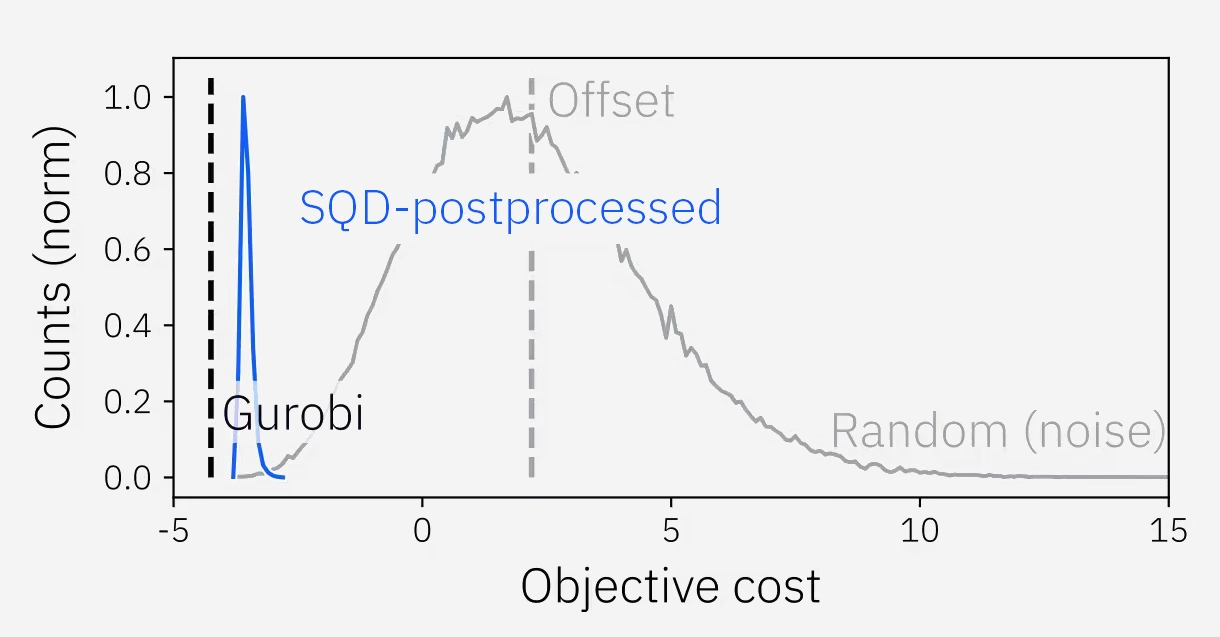 كما يتضح من الشكل (الخط الأزرق المتصل)، يتركّز توزيع التكلفة لنهجنا القائم على Variational Quantum Eigensolver (المعالَج بعد التنفيذ باستخدام SQD) بشكل حاد عند قيم تكلفة هدف أدنى، مما يدل على أداء تحسيني جيد. في المقابل، يُظهر خط الأساس الضوضائي توزيعًا أوسع يتمحور حول قيم تكلفة أعلى. يمثّل الخط الرمادي المتقطع العمودي متوسط قيمة التوزيع العشوائي، مما يبرز أكثر اتساق الدالة في إعادة استراتيجيات استثمار محسَّنة. وللمزيد من المقارنة، يتوافق الخط الأسود المتقطع في الشكل مع الحل المحصّل بواسطة مُحسِّن Gurobi (النسخة المجانية). تُستكشف جميع هذه النتائج بمزيد من التفصيل في المعايير المرجعية أدناه لمثال "الأصول المختلطة" المُقيَّم باستخدام الـ "Tailored" ansatz.
المعايير المرجعية
جرى اختبار هذه الدالة تحت تكوينات مختلفة من كيوبتات الدقة ودوائر الـ ansatz ومجموعات أصول من قطاعات متنوعة: مزيج من أصول مختلفة (المجموعة 1)، ومشتقات النفط (المجموعة 2)، و IBEX35 (المجموعة 3). راجع مزيدًا من التفاصيل في الجدول التالي.
| المجموعة | التاريخ | الأصول |
|---|---|---|
| المجموعة 1 | 01/01/2023 | 8801.T, CL=F, GBPJPY=X, ITX.MC, META, TMBMKDE-10Y, XS2239553048 |
| المجموعة 2 | 01/06/2023 | CL=F, BZ=F, HO=F, NG=F, XOM, RB=F, 2222.SR |
| المجموعة 3 | 01/11/2022 | ACS.MC, ITX.MC, FER.MC, ELE.MC, SCYR.MC, AENA.MC, AMS.MC |
استُخدم مقياسان رئيسيان لتقييم جودة الحل.
- تكلفة الهدف، التي تقيس كفاءة التحسين بمقارنة قيمة دالة التكلفة من كل تجربة مع نتائج Gurobi (النسخة المجانية).
- نسبة شارب، التي تلتقط العائد المعدَّل بالمخاطر لكل محفظة، مما يوفّر رؤية حول الأداء المالي للحلول.
ويُتيح هذان المقياسان معًا تقييم الجانبين الحسابي والمالي للمحافظ المولَّدة كميًا.
| المثال | الكيوبتات | الـ Ansatz | العمق | استخدام وقت التشغيل (ث) | إجمالي الاستخدام (ث) | تكلفة الهدف | شارب | تكلفة هدف Gurobi | شارب Gurobi |
|---|---|---|---|---|---|---|---|---|---|
| أصول مختلطة (المجموعة 1، 4 خطوات زمنية، 4 بت) | 112 | Tailored | 83 | 12735 | 13095 | -3.78 | 24.82 | -4.25 | 24.71 |
| أصول مختلطة (المجموعة 1، 4 خطوات زمنية، 4 خطوات زمنية، 4 بت) | 112 | Real Amplitudes | 359 | 11739 | 11903 | -3.39 | 23.64 | -4.25 | 24.71 |
| مشتقات النفط (المجموعة 2، 4 خطوات زمنية، 3 بت) | 84 | Optimized Real Amplitudes | 78 | 6180 | 6350 | -3.73 | 19.13 | -4.19 | 21.71 |
| IBEX35 (المجموعة 3، 4 خطوات زمنية، 2 بت) | 56 | Optimized Real Amplitudes | 96 | 3314 | 3523 | -3.67 | 14.48 | -4.11 | 16.44 |
تُظهر النتائج أن المُحسِّن الكمي، باستخدام الـ ansatz المتخصص في المسألة، يُحدّد بفعالية استراتيجيات استثمارية كفؤة عبر أنواع محافظ مختلفة.
نُفصّل أدناه كلًا من حجم المجتمع وعدد الأجيال المحددَين في قاموس optimizer_options. وقد جرى ضبط جميع المعاملات الأخرى على قيمها الافتراضية.
| المثال | population_size | num_generations |
|---|---|---|
| محفظة الأصول المختلطة | 90 | 20 |
| محفظة الأصول المختلطة | 92 | 20 |
| محفظة مشتقات النفط | 120 | 20 |
| محفظة IBEX35 | 40 | 20 |
تم ضبط عدد الأجيال على 20، إذ تبيّن أن هذه القيمة كافية للوصول إلى التقارب. علاوة على ذلك، تُركت القيم الافتراضية للمعاملات الداخلية للمُحسِّن دون تغيير، نظرًا لأنها أبدت أداءً جيدًا باستمرار وهي موصى بها عمومًا في الأدبيات وإرشادات التطبيق.
الحصول على الدعم
إذا كنت بحاجة إلى مساعدة، يمكنك إرسال بريد إلكتروني إلى qpo.support@globaldataquantum.com. في رسالتك، أدرج معرّف مهمة (job) الدالة.
الخطوات التالية
- اقرأ ورقة البحث المرتبطة.
-
- زُر مرجع API لدالة Qiskit هذه.
- اطلب الوصول إلى الدالة عن طريق ملء هذا النموذج.
- جرّب درس تحسين المحفظة الاستثمارية الديناميكي.